The second bed is a design decision.
By GTB Group · Nov 17, 2026 · 3 min read
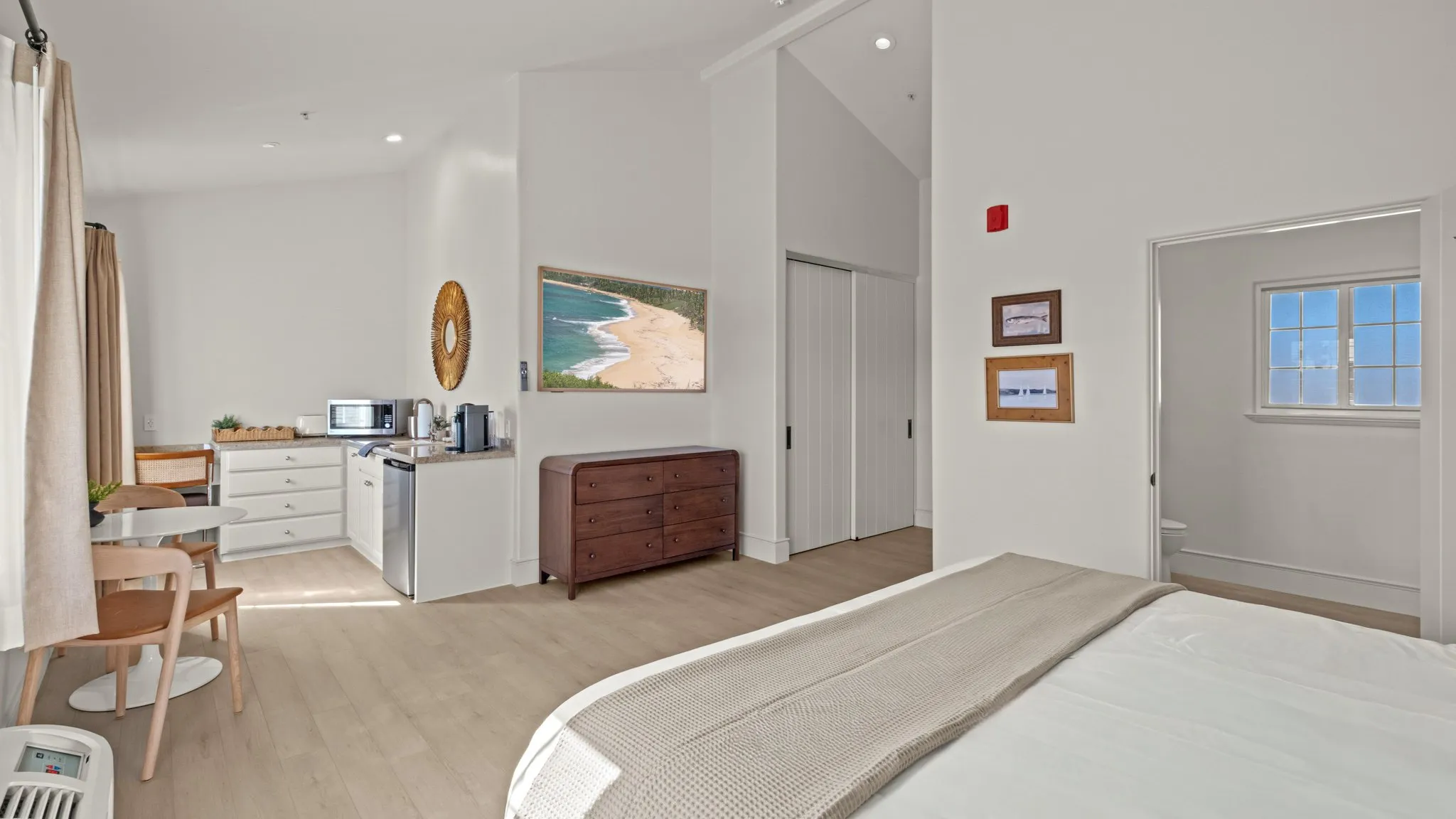
Every hotel plan settles how many rooms sleep two and how many sleep four. It is usually settled late, by whoever draws the furniture. We think it belongs much earlier, next to the unit mix, because it is one of the few design choices that shows up directly in revenue.
What the second bed earns
In our own buildings, where we can compare a studio that sleeps four with a studio that sleeps two under the same roof, the larger room has earned meaningfully more per available night. The rate goes up and occupancy barely moves. A family, two friends travelling together, a crew on a work trip: each books one room instead of two, and pays for it. The sample is small, a handful of rooms, and we treat it that way. The direction is still worth designing around.
Why that is not a reason to build all of them
The obvious conclusion is to put two beds in every room. It is the wrong one. The guest who wants two beds is real, but there are fewer of them than there are couples and solo travellers. Past a point, every additional two bed room competes for a smaller pool of demand, and the occupancy it gives up outweighs the rate it gains.
Our view is that the right share is ten to fifteen percent of keys. Below that, the group traveller has nowhere to go and books elsewhere. Above it, rooms sit empty on the nights the market is couples, which in most of our markets is most nights.
Two queens, not two doubles
A room built to sleep four gets two queen beds. Two doubles would save width on plan, and it is the saving a guest notices first. The point of the room is that four people choose it over booking two, so it has to be a room they would choose again.
The bathroom follows the bed
The rooms that sleep four are also the rooms that get the tub and shower. A room sold to a family will often have children in it, and that is the fixture they need. Placing the two together on plan, instead of letting tubs fall wherever the plumbing is easiest, means the room that sells to families is complete when it opens.
The second bed is not an amenity. It is a forecast of who will book the room.
One more rule keeps the count honest. The accessible room the code requires is planned on its own terms and does not count toward the share. It serves a different guest, and folding it into the number would quietly build fewer rooms for the group traveller than the plan claims.
Deciding it early
Bed count looks like a furnishing choice and behaves like a structural one. It sets room widths, the bathroom layout and the fixture schedule, and by the time the furniture is being priced, the building has already decided who it is for. We would rather make that decision on purpose.